

When installing tiles, most people focus on the tile design, color, and layout. But one small detail often determines whether the final result looks professional or unfinished tile edging.
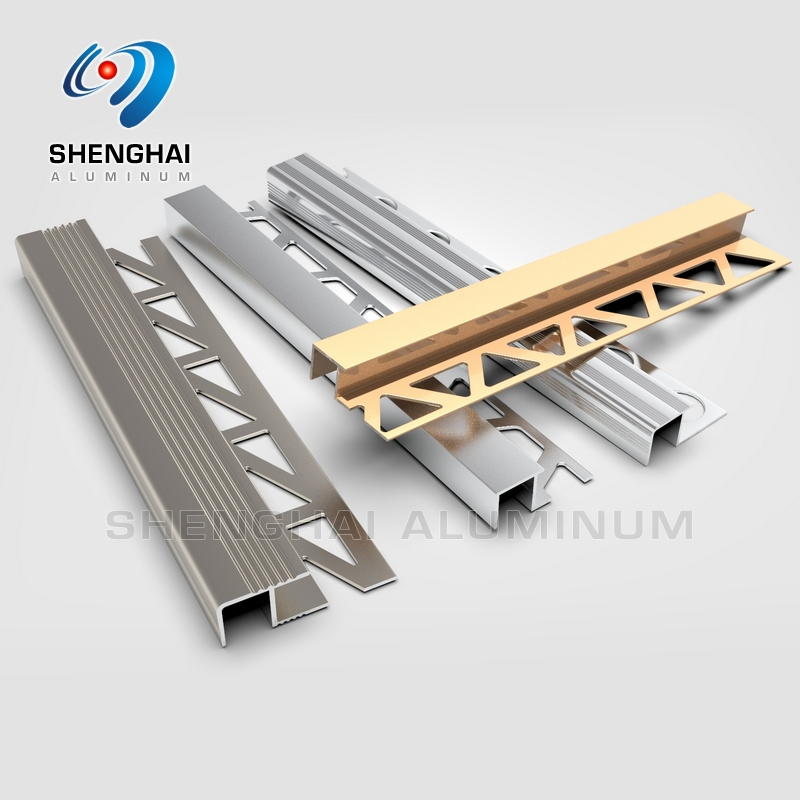
Aluminum tile edging, also called aluminum tile trim or tile edge profile, is used to protect and decorate the exposed edges of tiles. It creates clean transitions between tiles and other materials while improving durability and appearance.
For homeowners, contractors, architects, and tile distributors, aluminum tile edging is no longer just an accessory; it has become an important finishing material in modern construction and interior decoration.
Why Is Aluminum Tile Edging Important?
Without edge protection, tile edges can easily chip, crack, or look rough after installation. Aluminum tile edging solves these problems while enhancing the project’s overall visual quality.
Main Functions of Aluminum Tile Edging
- Protect Tile Edges
Tiles are vulnerable at the corners and exposed edges. Aluminum edging protects these areas from:
- Chipping
- Cracking
- Impact damage
- Long-term wear
This is especially important in high-traffic areas such as:
- Bathrooms
- Kitchens
- Shopping malls
- Hotels
- Staircases
- Commercial buildings
- Create a Clean and Professional Finish
Tile edges without trim can appear unfinished. Aluminum edging creates straight, smooth, and modern lines that enhance the overall appearance.
Popular finishes include:
- Matte black
- Brushed silver
- Champagne gold
- Rose gold
- White powder coating
- Anodized aluminum finishes
This allows designers to match a range of interior styles, from minimalist to luxury.
Improve Waterproof and Hygienic Performance
In wet areas like bathrooms and kitchens, aluminum tile edging helps reduce gaps and exposed edges where water or dirt may accumulate.
Benefits include:
- Easier cleaning
- Better moisture resistance
- Reduced mold growth
- Improved hygiene
This is why aluminum edging is widely used in hotels, hospitals, restaurants, and residential bathrooms.
- Create Smooth Material Transitions
Aluminum tile trims are often used between different flooring or wall materials, such as:
- Tile to wood flooring
- Tile to carpet
- Tile to stone
- Wall tile transitions
This improves safety and creates a visually balanced transition.
Where Is Aluminum Tile Edging Commonly Used?
Residential Application
- Bathroom wall corner
- Kitchen backsplash
- Shower niche
- Floor transition
- Balcony tile edge
Commercial Application
- Hotel
- Office building
- Shopping center
- Restaurant
- Hospital
- Airport
Outdoor Application
Specially treated aluminum tile edging can also be used outdoors for:
- Terrace edge
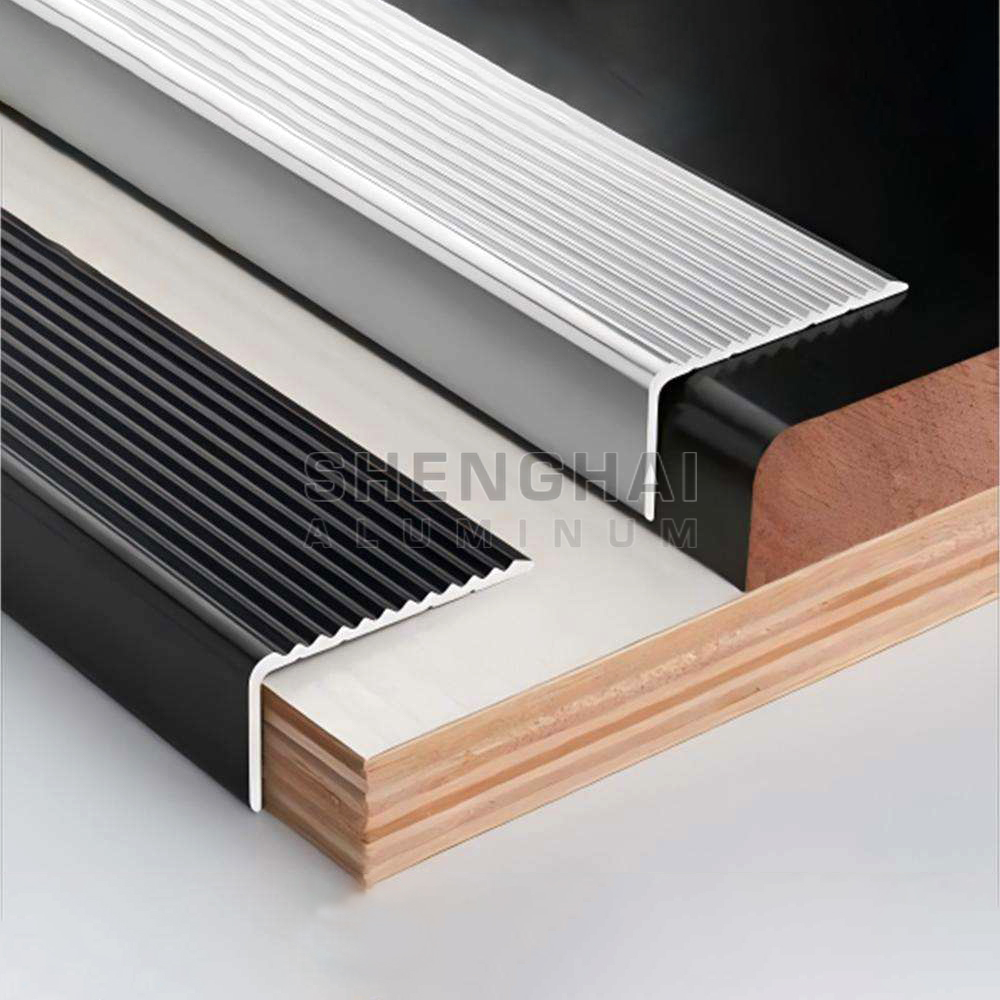
- Stair step
- Exterior wall decoration
Outdoor use usually requires higher corrosion resistance and weather-resistant surface treatment.
Types of Aluminum Tile Edging
Different projects require different trim shapes and functions.
Common Types Include:
L-Shaped Tile Trim
The most common and economical option for straight tile edges.
Round Edge Trim
Creates softer corners and safer edges.
Square Edge Trim
Popular in modern minimalist interiors.
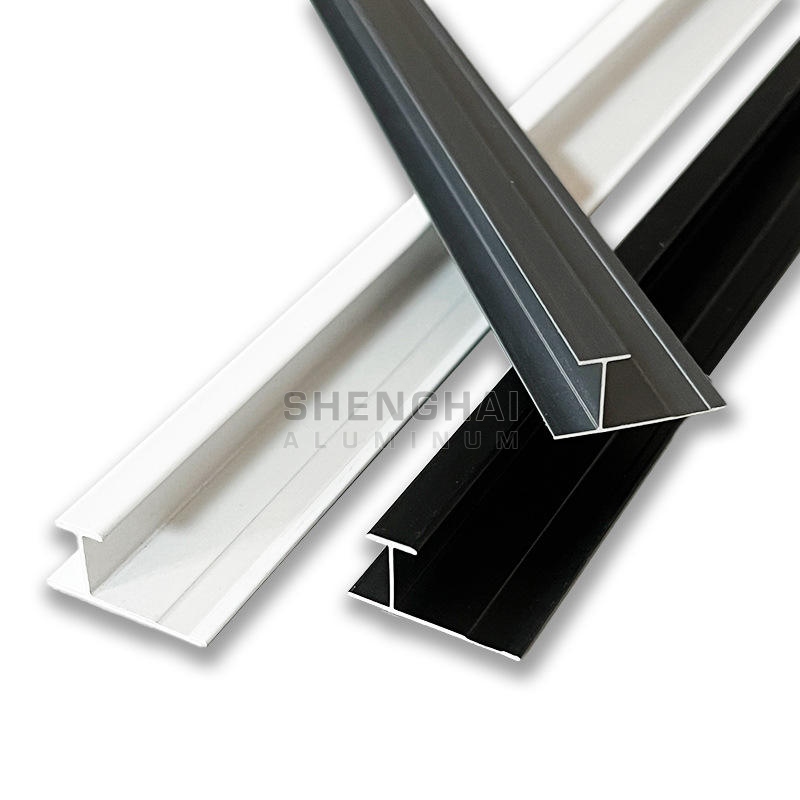
Transition Profiles
Used between two different flooring materials.
Stair Nosing Profiles
Designed for stair edge protection and anti-slip performance.
Why Aluminum Instead of PVC or Stainless Steel?
Customers often compare aluminum tile edging with other materials.
Column 1 Column 2 Column 3
Material Advantages Disadvantages
Aluminum Lightweight, modern appearance, corrosion-resistant, cost-effective, less heavy-duty than stainless steel
PVC is cheap and lightweight, and easier to age or deform
Stainless Steel: Very durable and premium. Higher cost and heavier
For most residential and commercial projects, aluminum provides the best balance between appearance, durability, and price.
Can It Match My Tile Design?
Color and finish customization are extremely important.
Many suppliers provide:
- Black aluminum tile trim
- Gold tile edging
- Silver anodized trim
- Custom colors
Aluminum tile edging is more than just a decorative accessory. It protects tile edges, improves installation quality, enhances interior design, and increases long-term durability.
Whether for residential renovations or large commercial projects, choosing the right aluminum tile edging can significantly enhance the appearance and performance of tiled surfaces.
A professional aluminum tile trim supplier should not only provide profiles but also help customers achieve better project results through reliable quality and flexible customization.